The new Dutch government cloud policy: the questions suppliers will be asked
· By Bee Flow · 5 min read
On 3 July 2026 the Dutch cabinet tightened the cloud policy for central government. It binds government, not you. But if you sell software or services to government, the questions land on your desk: where the data is, which law your chain falls under, who holds the keys and how the customer gets out again.
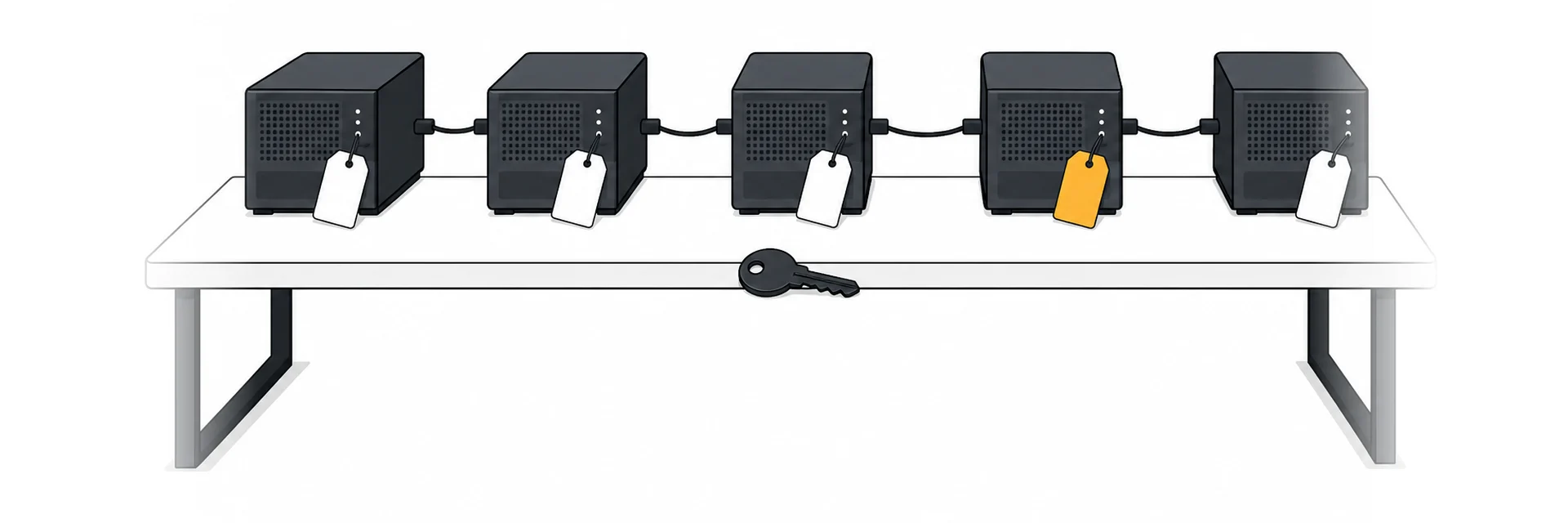
On 3 July 2026 the Dutch cabinet announced stricter rules for the use of cloud services by central government. The revised government-wide cloud policy (in Dutch, Herziening rijksbreed cloudbeleid 2026) replaces the policy from 2022. If you supply ministries or agencies, read all thirteen pages.
The policy binds central government, not companies. Your customer has the duty, you do not. According to the policy document, it applies to every part of central government except the High Councils of State and the Ministry of Defence. Independent administrative bodies (ZBOs) are expected to follow it, and other public bodies are advised to. According to the press release, state secretary Aerdts will talk with the other tiers of government (the medeoverheden) about a cloud policy for all of government. You will feel it in tenders, contracts and renewals.
This article is not legal advice. It is about the questions you can expect, and how to answer them honestly.
Software as a service is in scope
If you think "we sell software, not cloud", read chapter 2 of the policy. It covers public, hybrid, community and private cloud from an outside supplier, and software as a service when it runs on a public cloud or on shared infrastructure provided by a party that is not a government body. A web application on servers rented from a large cloud provider is in scope.
For material cloud use the customer must make a risk analysis and an exit plan it has tested itself. The policy defines material as needed for the organisation's core task, or large-scale processing of personal data. Measures that depend on what the supplier does, or must not do, have to be written into the contract. That is where you come in.
If you supply e-mail or document management, the bar is higher. The policy (section 4.5) says these may not be processed in the public cloud unless three conditions are met, one of them approval by the minister concerned.
The questions you can expect
Where is the data stored and processed?
The policy says (section 4.6) that for all information, storage and processing take place within the EEA and Switzerland. In the risk analysis the customer names the geographic region of storage and processing, for the main provider and for any sub-providers. So your customer will ask about your whole chain: hosting, backups, e-mail delivery, error monitoring, support staff who can look in, and any AI model your product calls.
Which jurisdiction do you and your subcontractors fall under?
The risk analysis in the policy (section 3.1) asks it in so many words: could the supplier also fall under foreign jurisdiction? For vital providers and essential entities, section 4.3 advises against using, for their primary process, a supplier that falls wholly or partly under jurisdiction outside the EU or EEA. The press release speaks of critical organisations such as several ministries and ZBOs. This is about the company, not the data centre. A European region of a provider whose parent company sits outside the EU is a different answer from a European company.
Who holds the keys?
The policy says (section 4.6) that data is encrypted in storage and in transit. For confidential data, key management preferably does not sit with the cloud provider but with the organisation itself, or with another party certified for it. Expect to be asked who at your company and at your hosting provider can technically reach the keys.
How do we get out again?
The exit plan in the policy (section 3.2) covers two scenarios: a planned move to another supplier or into the customer's own hands, and a sudden interruption of the service. The contract should say how data, metadata and where relevant applications are handed over when it ends, and how the data held by the supplier is destroyed after the migration. A backup outside the cloud environment is named as a preparation.
May we check?
The customer has to record how the provider allows audits and accountability reviews, or reports on them.
The transition period
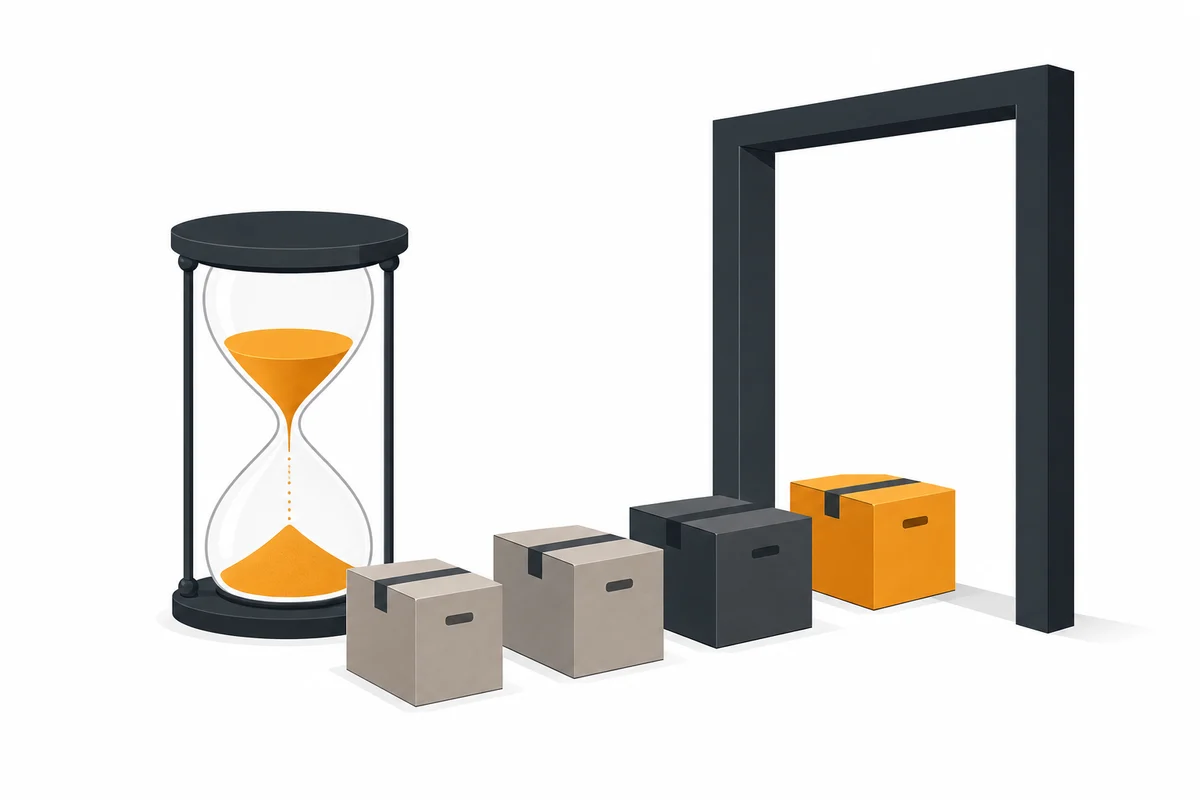
Existing cloud use gets four years under the policy (section 1), or longer when an existing contract runs longer or when the changes bring high costs or risks. But for existing material use, the exit plan has to be in place within twelve months of the policy's adoption (footnote 12). So the questions about handover and destruction come first, and on a new contract they come now. We would assume they are on the table at your next renewal at the latest.
Under the Dutch open government act (Woo) the policy (section 4.4) assumes that relevant decisions are made public, though the risk analysis and exit plan may be classified. Write answers you are comfortable reading back later.
How to prepare honest answers
Make one overview of your chain. For each part: which company, where it is based, who controls it, where the data is stored and where it is processed. Include the small links, such as password e-mails and support ticketing.
Write down what is true, even when it is not a pretty answer. "Our hosting runs in Frankfurt with a provider whose parent company is American" is a usable answer. "We are sovereign" is not, and a customer who has to have its risk analysis reviewed will pick it apart.
Describe key management as it is: who creates the keys, where they live, who can reach them and whether the customer can manage them itself.
Write an exit annex you send with every quote. Which export formats, how long a handover takes, how you delete and how you confirm it. It gives your customer a head start.
If part of your chain does not fit, say what you will do about it and when. That might be an alternative within the EEA, a version the customer runs itself, or an option to switch a component off. The policy gives your customer time. Use it to agree on a route together.
Where Bee Flow fits
If you use AI yourself, it becomes one more link you have to explain. Bee Flow runs on your own server with a single install command. You choose which model does the work: a cloud model, a model hosted in the EU, or a model on your own hardware. Privacy Shield looks for personal data before a message reaches a model, and by default holds the message back. The self-host or EU cloud page shows how those choices play out, and an earlier article compares the hosting options. To talk through how it fits your chain, get in touch.